


Diabetes is one of the most common chronic health conditions worldwide—and it’s on the rise. But the good news is that understanding diabetes is the first step toward preventing or managing it effectively.
Diabetes occurs when the body has trouble regulating blood sugar (glucose). This can happen because the body doesn’t make enough insulin or can’t use it properly. The two most common types are Type 1 (often diagnosed earlier in life) and Type 2 (more common in adults and often linked to lifestyle factors). Many people live with prediabetes or early-stage diabetes without knowing it. Symptoms can be subtle—fatigue, increased thirst, frequent urination, or blurred vision. Early detection can prevent serious complications such as heart disease, nerve damage, and vision loss.
The power to reduce your risk—and improve your overall well-being—lies in everyday choices
- Move more: Aim for at least 30 minutes of physical activity most days of the week.
- Eat smart: Focus on whole foods, including vegetables, fruits, lean proteins, and whole grains.
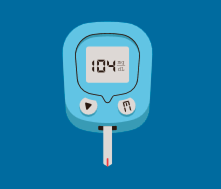
- Know your numbers: Regular check-ups and blood sugar screenings are key.
- Manage stress and sleep: Both can impact blood sugar levels and overall health.









 Overview